
Image source: wikimedia
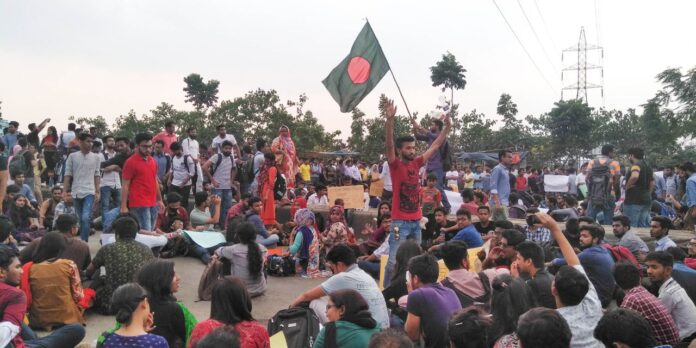
On August 5, 2024, the Chief of the Bangladeshi Army announced the resignation of Prime Minister Sheikh Hasina following the bloodiest day of weeks-long anti-government demonstrations.
Army Commander Wackeruzzaman confirmed Sheikh Hasina’s resignation and her flight from the protests that began in early July 2024.
In a speech on state television, the army chief announced the formation of an interim government after Hasina fled, expressing hope for an improvement in the situation in the coming period.
A source close to Hasina informed AFP that she left the country in a motorcade and then by helicopter shortly after protesters stormed her palace in the capital, Dhaka, although her destination was not specified. This marks the end of her 15-year rule.
Sunday, August 4, 2024, was the bloodiest day, with more than 90 individuals—protesters and 13 police officers—killed as demonstrators defied a military curfew and stormed the Prime Minister’s residence in Dhaka.
UN High Commissioner for Human Rights Volker Türk emphasized the urgent need to halt the “horrific” violence in Bangladesh and expressed deep concern over the potential for further loss of life and destruction of property.
Protests erupted in Bangladesh in early July 2024, sparked by students demonstrating against quotas in government jobs, leading to clashes with pro-government students in Dhaka and other cities.
On the night of July 16, 2024, violence escalated when police and armed members of the Chhatra League (BCL), the student wing of the ruling Awami League party, attacked the protesting students.
The following morning, the University Grants Commission announced that all universities would close for “security reasons” and issued instructions to evacuate buildings. This was accompanied by directives to close all schools, colleges, and educational institutions.
The country is grappling with high unemployment and inflation amidst sluggish growth in private sector jobs, intensifying the desire for government positions and their associated benefits.
Same Justice Human Rights emphasized the necessity of protecting demonstrators and ensuring their right to express their opinions in sit-ins, protests, gatherings, and events. Same Justice also highlighted the importance of individuals’ freedom to choose their governments and the need to hold accountable those involved in violence against the Bangladeshi people.

