
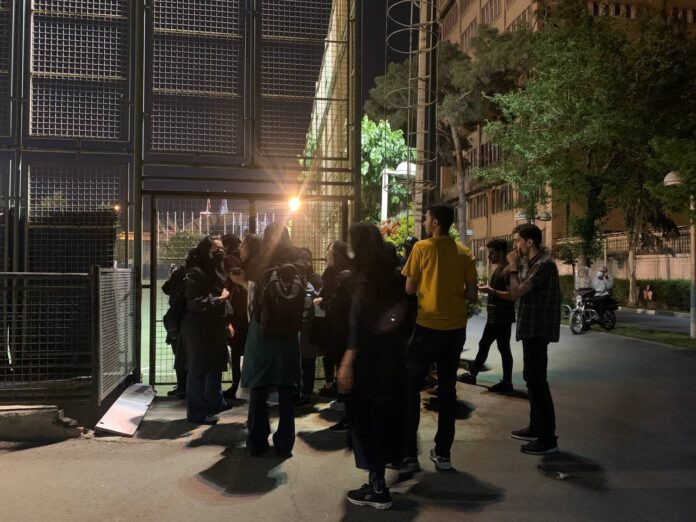
On April 22, 2024, Human Rights Watch released a report detailing serious violations committed by Iranian security forces during their suppression of protests in 2022 and 2023.
Human Rights Watch stated that Iranian security forces “sexually assaulted and tortured detainees” during the protests of 2022 and 2023, considering what it described as “serious violations” to be part of a broader pattern of severe human rights abuses aimed at suppressing opposition.
The organization accused security forces of targeting protesters from ethnic minorities (Kurds, Baluchis, and Azeris) and using extreme repression and violence against them.
The organization investigated violations against 10 detainees from minority areas that occurred between September and November 2022 and interviewed survivors by phone between September 2022 and 2023, including 5 women, 3 men, and 2 children, obtaining medical records supporting their testimonies.
Nahid Naghavian, Acting Iran Researcher at Human Rights Watch, described the actions of Iranian security forces against detained protesters, including rape and torture, as “not only heinous crimes but also weapons of oppression used against detainees to force them into false confessions,” noting that these methods represent twisted and despicable means to further stigmatize and suppress marginalized ethnic minorities.
Amnesty International, in December 2023, documented that Iranian security forces “used rape and other forms of sexual violence” to intimidate and punish peaceful protesters during what it termed the “Women’s Uprising for Life and Freedom” that erupted in 2022.
Both Human Rights Watch, Amnesty International, and the United Nations Fact-Finding Mission in Iran documented the Iranian authorities’ use of severe repression in ethnic minority areas.
Since September 2022, Iran has witnessed widespread protests following the death of 22-year-old Mahsa Amini, days after being detained by morality police in the capital, Tehran, during protests in Iran.

